Keystone Intel Brief 2/23/2026
Welcome to the second edition of the Keystone Intel Brief. Your weekly digest newsletter of the week’s most critical developments and stories in defense, national security, and aerospace, distilled to be the keystone of your situational awareness without the inbox clutter.
Need to Know Basis – Biggest Stories of the Week
Trump aides struggle with how to spend $500 billion more on military – Washington Post
Officials in the Trump administration are struggling to find specific programs to absorb an estimated $500 billion in additional funding after both President Trump and Secretary Hegseth pushed for a defense topline totaling $1.5 trillion. The plan, which represents a 50% increase in defense spending, has run into immediate logistical challenges. Aides are now racing to identify the specific line items and programs where the influx of funding can be effectively directed.
US and Iran slide towards conflict as military buildup eclipses talks – Reuters
The threat of conflict between the United States and Iran over Tehran’s nuclear program continues to escalate. The U.S. has continued a sustained military buildup in the region as high-level negotiations appear to have stalled. Officials and experts believe the Pentagon is poised to strike Iranian nuclear targets. There is further speculation that the U.S. may launch an extended campaign against wider military and political targets aimed at removing the current government from power.
Pentagon threatens Anthropic punishment – Axios
Secretary of Defense Pete Hegseth has threatened to sever the Pentagon’s ties with the AI company Anthropic. The move comes as Anthropic protested the use of its AI model, Claude – the only AI model currently available in the DoD’s classified systems – to execute the U.S. military raid that captured Venezuelan President Maduro earlier this year. As a result, the Department of Defense could label Anthropic as a “supply chain risk.”
Department of War Announces Groundbreaking of New Munitions Campus in Indiana – DoD
The Pentagon broke ground on the new “Munitions Campus” in Bloomfield, Indiana. The campus, which is a public-private partnership between the Pentagon and the American Center for Manufacturing & Innovation, aims to centralize and strengthen parts of the munitions supply chain by co-locating defense manufacturers. The initiative is a continuation of a $75 million funding award under the Defense Production Act in 2023 and will enable faster, more efficient production of critical munitions such as Tomahawk, Javelin, and Stinger missiles.
USFK, Chinese fighter jets in brief aerial standoff over Yellow Sea this week – Yonhap News Agency
Fighter aircraft of the United States Forces Korea and China were in an aerial stand off in the Yellow Sea near Korea. The American F-16 aircraft were taking part in a U.S. exercise and flew between the South Korean and Chinese air defense identification zones in international waters. Chinese military aircraft were scrambled to meet the U.S. aircraft. No clashes occurred between the American and Chinese forces during the rare standoff.
Under the Radar – Stories you may have missed
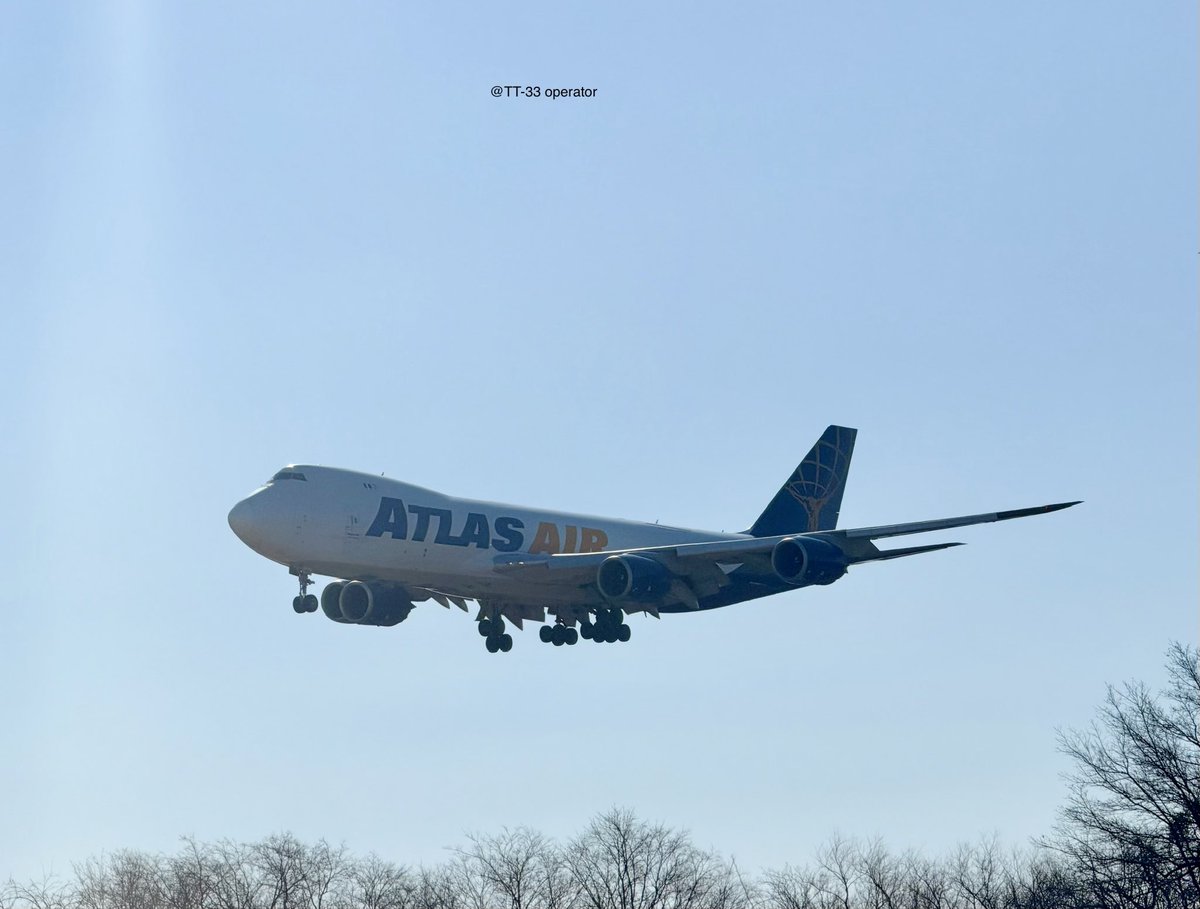
Air Force training pilots for new Air Force One jet
The United States Air Force’s 89th Airlift Wing is training pilots for the new VC-25B fleet, which will serve as the President of the United States’ primary transport. Air Force pilots have been conducting training on a leased Boeing 747-8 owned by the cargo carrier Atlas Air. The aircraft has been observed operating at Joint Base Andrews – home of the Air Force’s executive transport fleet – using callsigns associated with executive transport missions.
The Air Force is currently developing replacements for the aging VC-25A (based on the Boeing 747-200), but the program has faced significant delays. Additionally, a VIP Boeing 747-8 donated by Qatar to serve as an interim transport is undergoing rapid reconfiguration and is expected for delivery in summer 2026. It remains unclear whether the current training cycle is intended for the permanent VC-25B fleet or the incoming interim aircraft.
Strategic Assets – A look at analysis, reports, and policy we think is worth your time.
(Policy Paper) The Sovereignty Gap in U.S. AI Statecraft
The Trump administration is increasingly leaning into the rhetoric of “sovereign AI,” positioning the U.S. as the partner of choice for nations looking to build independent AI capabilities through the American AI Exports Program. The strategic promise is that partners can configure their own systems and govern their own usage rules using American technology. However, a significant "sovereignty gap" persists because the foundational layers, the advanced chips, frontier models, and cloud infrastructure, remain firmly under U.S. control.
Many countries, however, are seeking "sovereign AI" specifically to decouple from Washington. This global push for independence is fueled by unease over shifting U.S. policies, ongoing tariff disputes, and the potential for technology to be used as political leverage. While the administration’s "middle ground" offer attempts to lock in American tech as the global standard, it's losing its appeal to partners who worry the rules of access might be rewritten on short notice.